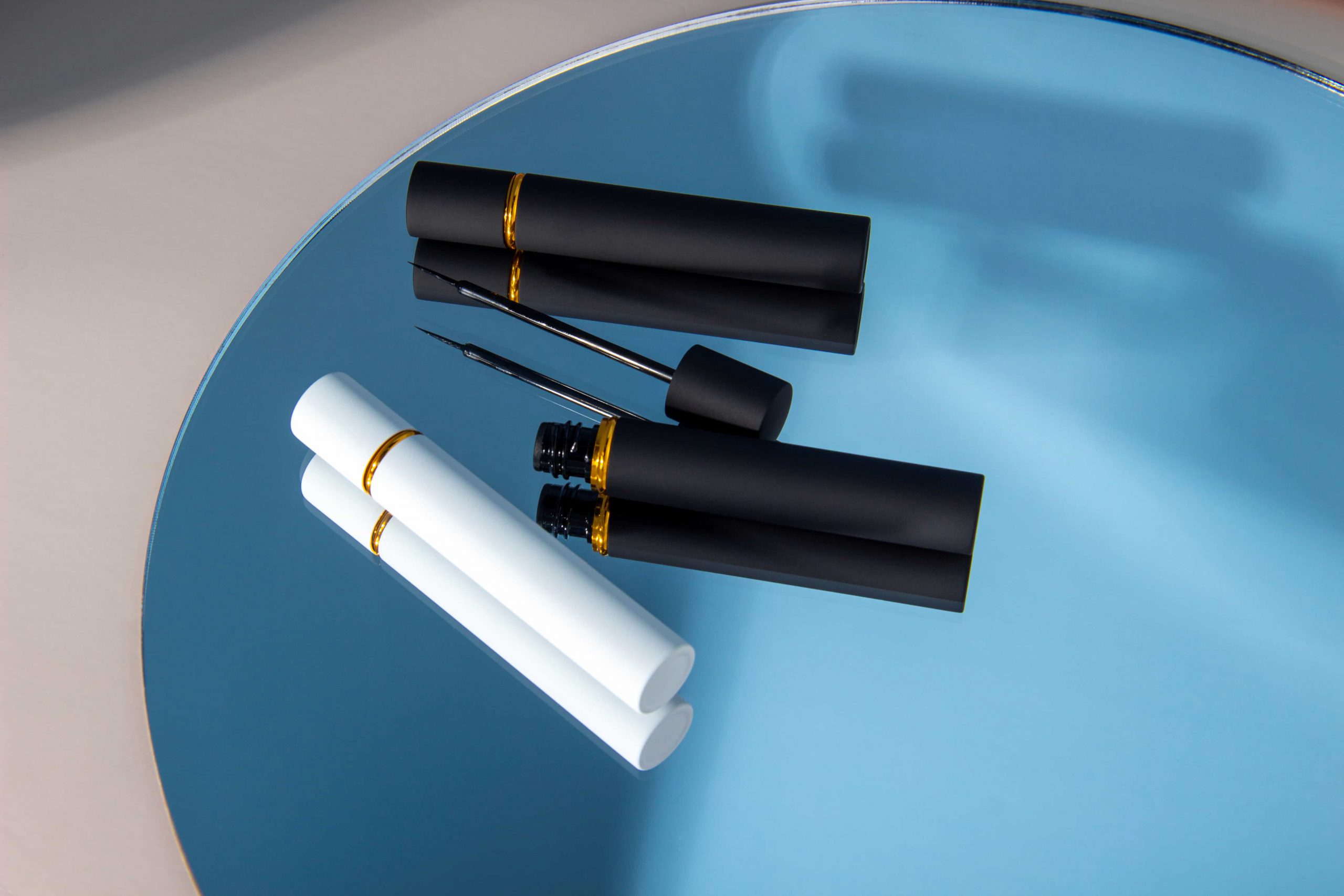
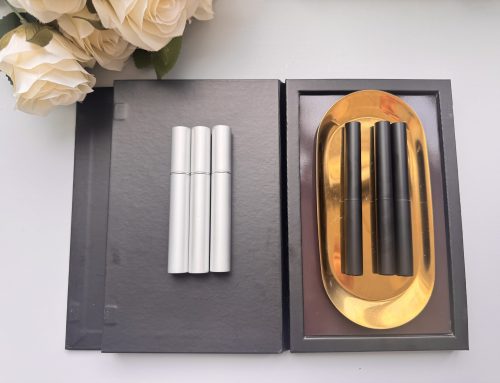
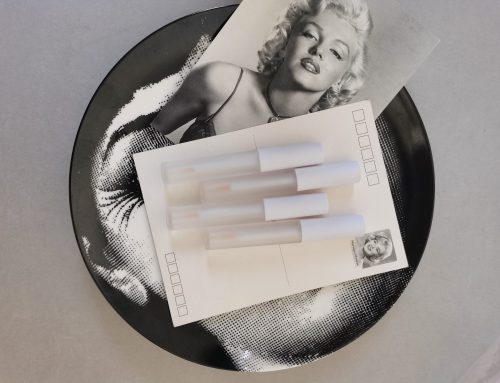
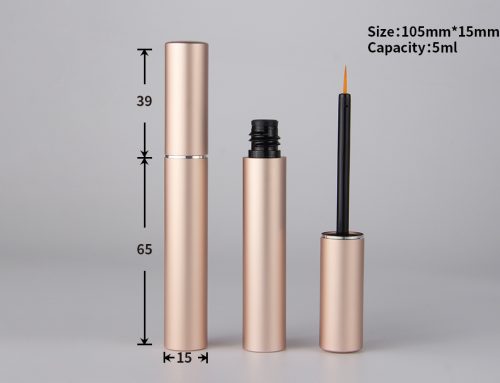
A liquid polymer coating applied to packaging surfaces (primarily plastic, metal, and glass). After drying, it forms a soft, matte rubber-like texture with a velvety-smooth and anti-slip feel. Common types include water-based and solvent-based variants, with water-based options being more environmentally friendly. This unique tactile advantage is a key reason why brands weigh rubber coating vs spray paint for cosmetic packaging for high-end product lines.
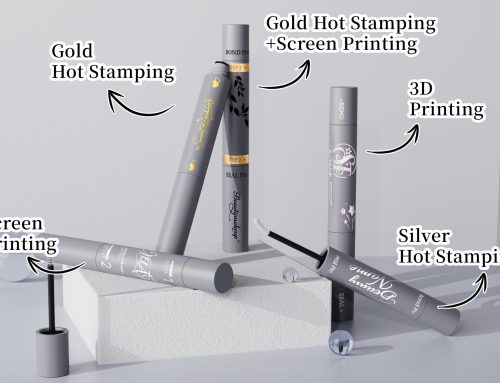
A liquid coating applied via spray gun/aerosol, forming a hard, smooth layer on packaging surfaces. It offers diverse visual effects (matte, glossy, metallic, etc.) and unlimited color customization. Formulas include solvent-based and low-VOC (volatile organic compounds) options. As a versatile traditional finishing process, it occupies an important position in the comparison of rubber coating vs spray paint for cosmetic packaging.
To help cosmetic brands make accurate customization decisions, we analyzerubber coating vs spray paint for cosmetic packaging from six core dimensions, covering tactile experience, durability, color effects, cost, environmental performance and product adaptability.
Rubber Coating: Features a soft, velvety texture that is anti-slip and easy to grip, delivering an inherently premium tactile feel.
Spray Paint: Has a smooth (matte or glossy) or textured (with added particles) finish, with a hard texture that lacks the softness of rubber coating. The distinct tactile gap is the most intuitive difference in rubber coating vs spray paint for cosmetic packaging.
Rubber Coating: Boasts scratch resistance, fingerprint resistance, and impact resistance. Its flexible nature makes it less prone to peeling or chipping.
Spray Paint: Tends to peel easily without a protective topcoat. Glossy variants, in particular, attract more fingerprints and require extra care during use. In terms of long-term wear resistance, the gap between rubber coating vs spray paint for cosmetic packaging is very obvious.
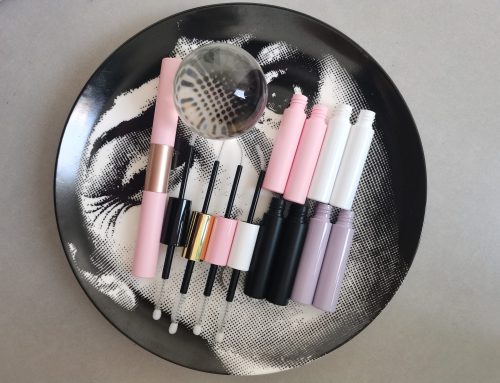
Rubber Coating: Limited to matte or semi-matte finishes, mainly available in solid colors such as black, white, and pastels. It offers fewer decorative options compared to spray paint.
Spray Paint: Enables unlimited color customization, supporting a wide range of effects including glossy, metallic, holographic, and neon. It provides greater creative flexibility for visual design. This diverse visual advantage is the core strength of spray paint in the competition of rubber coating vs spray paint for cosmetic packaging.
Rubber Coating: Comes with a higher cost, typically 30%-50% more expensive than spray paint. It also requires a longer production cycle, with a curing time of 24-48 hours.
Spray Paint: Is more cost-effective, making it ideal for budget-conscious projects. It has a faster turnaround time, with a drying period of just 4-8 hours, facilitating mass production. For cost-sensitive cosmetic startups, the price difference of rubber coating vs spray paint for cosmetic packaging is a decisive selection factor.
Rubber Coating: Water-based variants are low-VOC and environmentally friendly. Some formulations are also compatible with recycling processes, aligning with sustainable packaging trends.
Spray Paint: Solvent-based options have a greater environmental impact due to higher VOC emissions. Low-VOC variants are available but require specific selection to meet eco-friendly standards.
Rubber Coating: Is ideal for frequently held packaging such as lash glue bottles and mascara tubes. Its anti-slip texture enhances usability, while the premium feel elevates product perceived value.
Spray Paint: Excels for decorative or display-oriented packaging like gift boxes and skincare jars. Its vibrant colors and diverse effects make products stand out on shelves.
High-end lash glue bottles emphasizing texture: The anti-slip grip improves user experience, while the soft-touch finish enhances product premiumness and value.
Frequently used skincare tools: Such as serum pumps and facial roller handles, where the soft texture reduces hand fatigue during repeated use.
Clean beauty brands focusing on sustainability: Water-based rubber coating aligns with eco-friendly brand concepts, meeting the demands of environmentally conscious consumers.
Trendy cosmetic packaging: Bold colors (e.g., neon, metallic) and unique effects strengthen visual recognition, appealing to young, fashion-forward consumers.
Affordable drugstore cosmetic products: Enables cost-effective large-scale production of colored packaging, balancing aesthetic needs with budget constraints.
Custom limited-edition items: Such as holiday gift sets and co-branded products, allowing flexible color changes without modifying molds, shortening the time-to-market.
The core advantages of rubber coating lie in its luxurious tactile feel and practical anti-slip performance, making it suitable for high-end, frequently used packaging. Spray paint excels in diverse color options and cost flexibility, ideal for trendy, affordable, or customized packaging. Essentially, the difference between the two boils down to choosing between “tactile experience first” and “visual effects/cost first.” Mastering the pros and cons of rubber coating vs spray paint for cosmetic packaging allows cosmetic brands to customize targeted packaging finishing solutions that match brand positioning, product pricing and market positioning.