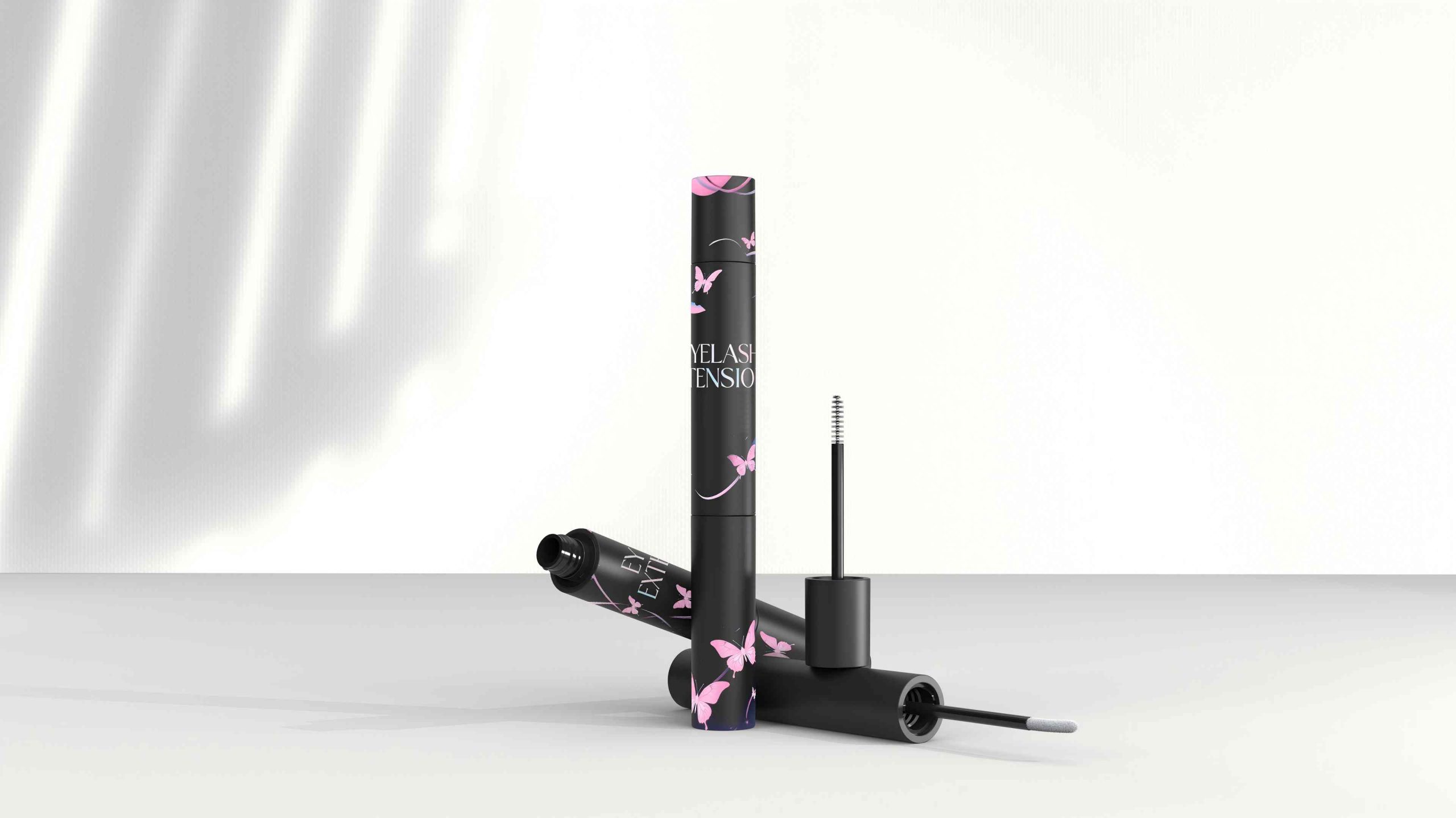
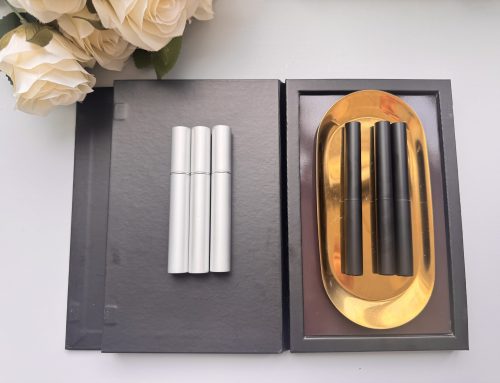
Cosmetic Bottle Logo Printing – Screen Printing: Versatility Meets Durability
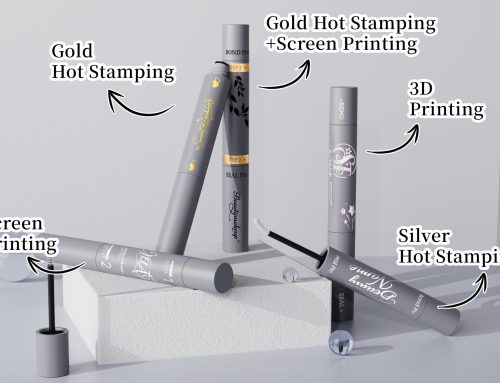
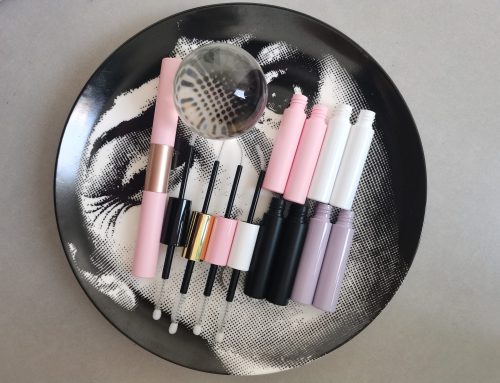
Screen printing delivers excellent material compatibility, achieving stable adhesion on mainstream cosmetic bottles made of ABS, PETG, PET, 82TR plastic and aluminum. Equipped with professional two-component curable solvent-resistant ink, the printed logo can effectively resist alcohol and makeup remover corrosion after full curing, avoiding fading, peeling or abrasion caused by daily use.
It features highly controllable production costs. For mass orders above 10,000 pieces, the unit cost drops significantly, providing outstanding cost performance. This process suits all kinds of mass-distributed cosmetic products and is not limited to entry-level or mid-range lines.
Widely applied for mass-market cosmetic products sold in supermarkets, beauty retail stores and affordable brand lines. It is ideal for logo designs with solid colors or spot colors, and works perfectly on matte, transparent, and regular curved bottle surfaces. However, it is not suitable for delicate gradient color transitions and ultra-fine tonal designs.
For bottles with special curved or irregular shapes (such as wasp-waist contours), customized curved screen printing equipment and rubber pads are required to prevent logo ghosting, offset and printing misalignment.
This process has limitations in ultra-fine line presentation. Although mature screen printing technology can stably produce 0.25mm fine lines in mass production, lines thinner than 0.3mm are prone to thickening and breakpoint defects, making it unsuitable for highly precise micro-logo designs.
Thanks to its wide material compatibility and stable cost control, screen printing remains the most mainstream mature option for large-batch Cosmetic Bottle Logo Printing.
Cosmetic Bottle Logo Printing – Hot Stamping: Premium Texture Upgrading Process
Hot stamping significantly enhances product premium texture. It supports metallic finishes including gold, silver, and rose gold on plastic bottle surfaces, creating sharp visual contrast with the bottle body and highlighting high-end product positioning. With unique metallic luster under light, hot-stamped logos deliver strong visual impact and high brand recognition, perfectly suitable for holiday gift sets and limited-edition releases to improve gift-giving value and market competitiveness.
High-quality packaging hot stamping foil provides superior friction resistance, alcohol resistance and makeup remover resistance compared with ordinary screen printing ink, fully adapting to high-frequency daily use of cosmetic packaging.
Note: Due to inherent material properties, aluminum bottles cannot achieve stable hot stamping. Forced application leads to poor adhesion, severe peeling and high defective rates, so hot stamping is not applicable for aluminum cosmetic bottles.
Learn more about packaging durability requirements for Cosmetic Bottle Logo Printing
https://www.flexpack.org/ from professional packaging industry standards.
Ideal for mid-to-high-end cosmetic bottle logo printing, including flagship counter items, boutique brand lines, and limited co-branded collections. Hot-stamped logos and decorative patterns effectively upgrade product grade and match premium brand tonality.
It adapts to flat surfaces, regular curved surfaces and special irregular curved plastic bottles (such as wasp-waist shaped bottles). Mature curved rolling hot stamping technology ensures stable and consistent stamping effects on irregular plastic bottles. This process is more suitable for minimalist and elegant logo designs; complex colorful patterns will cover the delicate metallic texture and weaken the premium visual effect.
Hot stamping is only compatible with plastic materials (ABS, PETG, PET, 82TR). Stable production requires precise temperature control equipment, professional soft stamping foil and buffer rubber pads. Reliable stamping results depend on multi-process parameter optimization instead of simply using low-temperature foil. For aluminum bottles, forced hot stamping will cause logo peeling and surface damage, greatly reducing product yield and appearance quality.
Compared with screen printing, hot stamping has higher unit costs due to premium consumables and professional equipment debugging. It is more suitable for texture-oriented products with sufficient profit margins rather than low-priced mass goods.
Cosmetic Bottle Logo Printing – 3D Printing: Personalized Custom Packaging Process
Different from flat printing processes, 3D raised UV printing creates embossed logos with a height of 0.5mm to 2mm, delivering distinct three-dimensional layering and unique tactile texture. The differentiated visual and touching experience effectively attracts young consumers pursuing personalized aesthetics and strengthens brand memory.
It supports highly flexible customized production. Exclusive personalized content, including custom names, limited edition numbers and unique patterns, can be realized by modifying digital models without expensive mold opening costs, perfectly serving niche designer brands and co-branded product lines.
Optimized for cosmetic packaging assembly lines, single-logo printing only takes seconds or milliseconds. This process balances personalized customization and small-batch mass production efficiency.With unique embossed tactile effect and flexible customization, 3D printing becomes a differentiated choice for high-end personalized Cosmetic Bottle Logo Printing.
Perfect for niche designer cosmetics, exclusive co-branded products and limited-edition lines that rely on unique packaging details to build market differentiation and scarcity.
Compatible with mainstream plastic bottles (ABS, PETG, PET, 82TR) and aluminum cosmetic bottles. For aluminum substrates, special UV ink for metal is required to ensure firm adhesion and prevent ink peeling. This process effectively presents technological, artistic and high-end brand tonality through three-dimensional logo effects, while it is rarely applied to hard resin bottles.
3D printing has higher equipment investment and consumable costs than screen printing and hot stamping. It is still lower than flat printing processes, making it unsuitable for low-priced, large-scale mass-marketed products.
Post-processing procedures are required for optimal presentation. Slight layer lines generated during printing need polishing and spraying treatment to refine surface texture. In addition, pre-production solvent resistance testing is mandatory. The raised ink layer is prone to viscosity, corrosion and peeling when contacting alcohol and makeup remover, so professional solvent-resistant coating is necessary to ensure long-term service stability.
When planning your Cosmetic Bottle Logo Printing, you can flexibly combine two or even three printing crafts at the same time to enrich packaging visual hierarchy and enhance brand premium sense. A common practical match for Cosmetic Bottle Logo Printing is using screen printing to lay down basic text and graphic backgrounds, then applying hot stamping for eye-catching metallic trademark accents; another popular combo pairs conventional printed outlines with local 3D embossed UV patterns to bring unique tactile highlights for high-end cosmetic containers.
Many packaging buyers overlook pre-sample testing when arranging Cosmetic Bottle Logo Printing with mixed techniques, yet trial production is critical to avoid peeling, ink cracking or uneven adhesion on different bottle substrates. Before you settle on mixed-process solutions for your Cosmetic Bottle Logo Printing, it is essential to check material adaptability upfront: ABS, PETG, PET and 82TR plastic bottles are highly tolerant of combined printing processes, while aluminum cosmetic bottles cannot support stable hot stamping effects, which will limit your collocation choices. In the end, whether you pick a single printing technique or a customized mixed scheme for Cosmetic Bottle Logo Printing, you should balance production cost, minimum order quantity, abrasion resistance requirement and your brand’s market positioning to get the most cost-effective, durable logo printing result for your cosmetic packaging.