Lash Glue Empty Bottles: Which Material (PP, ABS, or PET) Is Right for You?
In the eyelash beauty industry, packaging bottles are far more than simple exterior containers. They directly determine the storage stability, safety, transportation durability, and overall brand presentation of lash glue. As a special chemical adhesive containing active solvents, lash glue places strict requirements on the corrosion resistance, tightness, and structural stability of packaging materials. Choosing the rightlash glue bottle materials is essential for product stability and brand building.
Three plastic materials are widely used for empty lash glue bottles on the market: PP (Polypropylene), ABS (Acrylonitrile Butadiene Styrene), and PET (Polyethylene Terephthalate). Each type of lash glue bottle materials features unique physical and chemical properties, suited for different brand positioning and application scenarios. This article provides a comprehensive scientific breakdown to help you select the ideal lash glue bottle materials for lash glue packaging.
1、PP (Polypropylene): Cost-Effective and Highly Durable Material
1、PP (Polypropylene): Cost-Effective and Highly Durable Material
Core Advantages
Core Advantages
Excellent chemical resistance: PP features stable chemical properties and effectively resists corrosion from cyanoacrylate and other active solvents contained in lash glue. It avoids common issues such as material swelling, whitening, and deterioration, making it one of the most reliable lash glue bottle materials and universally compatible with most lash glue formulas.
Material Limitations
Material Limitations
Ordinary visual texture: PP bottles generally have a matte finish with limited surface smoothness and gloss, lacking the premium and delicate texture of ABS materials.
Best Applications
Cost-effective and mass-market lash glue products with a standard MOQ of 1,000 units or above.
2、ABS (Acrylonitrile Butadiene Styrene): Premium Material for High-End Packaging
2、ABS (Acrylonitrile Butadiene Styrene): Premium Material for High-End Packaging
Core Advantages
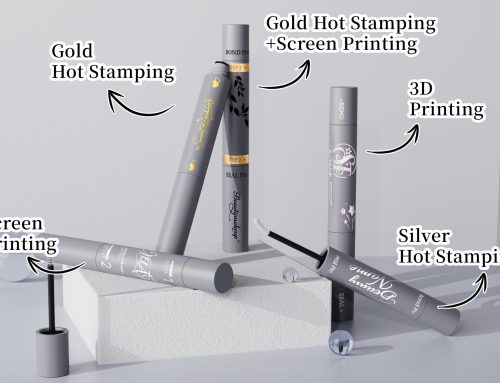
Luxury visual texture: ABS delivers a smooth, flat, and high-gloss surface with an exquisite original texture. It supports diverse advanced finishing processes such as soft-touch coating, matte spraying, and metallic painting, effectively upgrading product grade and premium value, which makes ABS stand out among all premium lash glue bottle materials.
Material Limitations
Best Applications
3、PET (Polyethylene Terephthalate): Transparent and Eco-Friendly Visual Material
3、PET (Polyethylene Terephthalate): Transparent and Eco-Friendly Visual Material
Core Advantages
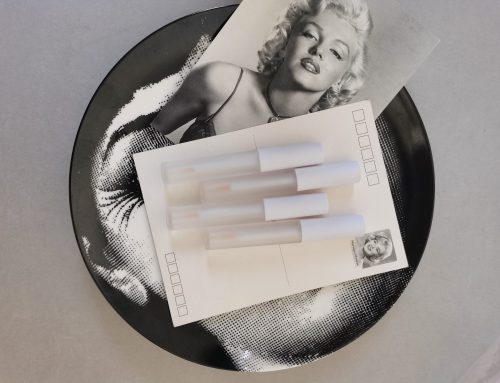
High transparency for visual display: PET boasts ultra-high clarity with pure and flawless bottle bodies, allowing consumers to directly observe the glue color, texture, and remaining capacity, delivering an excellent visual display effect. Such unique visual advantages make PET popular lash glue bottle materials for aesthetic-focused beauty brands.
Material Limitations
Best Applications
4、How to Choose the Right Lash Glue Bottle Material
4、How to Choose the Right Lash Glue Bottle Material
Match material with glue formula: When selecting suitable lash glue bottle materials, formula compatibility must be the top priority. Solvent-based professional lash glue with strong chemical activity requires stable PP material or coated ABS/PET bottles. Water-based mild lash glue is universally compatible with PP, ABS, and PET.
5、Professional Testing Recommendations for Mass Production
5、Professional Testing Recommendations for Mass Production
Subtle differences exist in the compatibility of different lash glue bottle materials. Sample testing is strongly recommended before formal mass production to verify practical performance:
We offer professional lash glue bottle solutions in PP, ABS, and PET materials to match different brand positioning, budget needs, and product formulas. All our packaging undergoes strict compatibility and durability tests to ensure stable quality and excellent presentation. From cost-effective mass-market styles to premium customized and eco-friendly bottles, we support flexible customization and small-batch orders. Browse our products to explore our complete lash glue bottle collection and find the perfect packaging solution for your brand.